
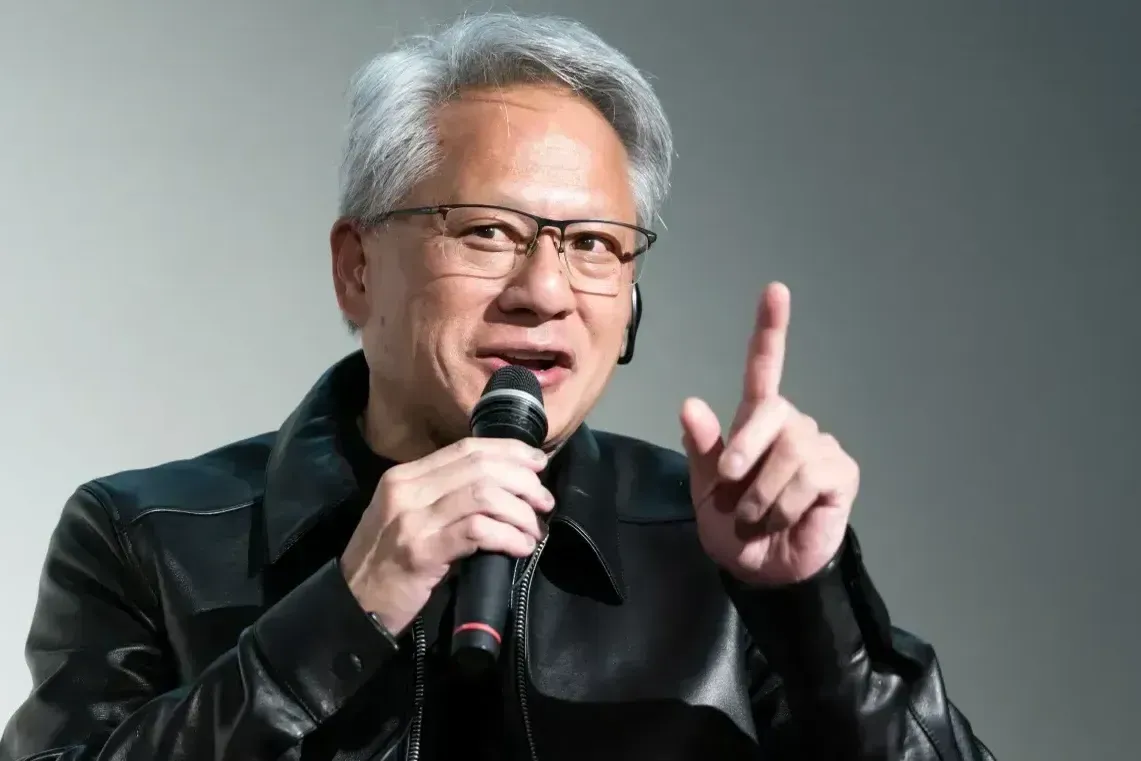
Nvidia finds itself in uncharted territory as the board launches an independent investigation into CEO Jensen Huang. What began as a personal admission of infidelity has spiraled into a potential national security crisis, as the object of Huang’s affection, Megaspeed executive Alice Huang, is suspected by U.S. intelligence officials of spying for Beijing. While the Chinese embassy has dismissed these claims as baseless and no formal charges have been filed, the optics are devastating for a man who sits at the epicenter of the global artificial intelligence boom and maintains deep ties with the highest levels of the American government.
Jeffrey Sonnenfeld, a leadership expert at Yale University, suggests that Huang’s future is currently a coin flip, estimating his chances of survival at about fifty percent. According to Sonnenfeld, while Huang possesses immense goodwill due to his brilliance and tenure as co-founder, this situation represents a staggering lapse in judgment. In most corporate environments, such recklessness regarding security risks would lead to immediate termination. Whether Huang can lean on his past successes to weather this storm depends entirely on whether he can prove he was an unwitting pawn rather than a negligent leader.
The volatility of this scandal extends far beyond one man’s reputation because Nvidia essentially functions as the central bank for the AI revolution. With investments spanning from OpenAI to Anthropic and partnerships involving some of the world’s largest asset managers like BlackRock and Goldman Sachs, any instability at the top could send shockwaves through the entire tech economy. This systemic importance creates a terrifying dilemma for the board; removing Huang could trigger market chaos, yet keeping him may invite further scrutiny from federal regulators concerned about chip leakages to China via intermediaries like Megaspeed.
Further complicating matters is the lack of a clear successor within Nvidia’s unusually flat organizational structure. Because Huang manages dozens of direct reports without a traditional hierarchy, there is no obvious heir apparent waiting in the wings. If the board decides that Huang must go, they may be forced to look outward for a messianic figure—perhaps someone like former Google CEO Eric Schmidt—to steady the ship. For now, Huang remains in control of the company, but he does so under a cloud of suspicion that threatens to eclipse his legacy as an industry titan.