
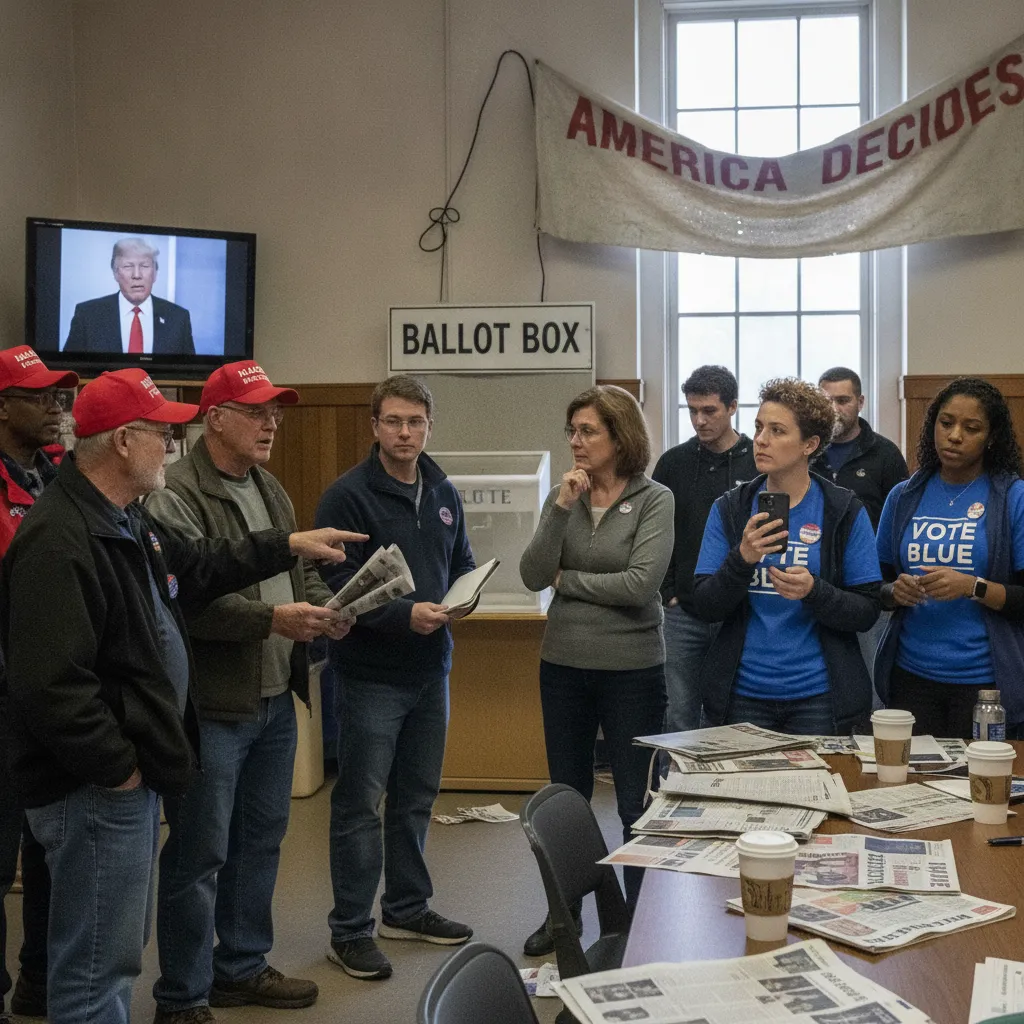
As the dust settles on the latest round of elections, a fierce debate has emerged among voters and analysts over what actually drove the shift in power. For some, the result was a clear moral judgment on the character of Donald Trump and his inner circle. Critics argue that the electorate reached a breaking point with a leadership style defined by self-praise rather than public service, suggesting that the victory for opposing candidates was less about an endorsement of new policies and more about a fundamental rejection of Trump’s persona.
However, others contend that focusing solely on personality ignores the harsh realities of the kitchen table. Drawing on the famous logic of nineties political strategists, these observers argue that it was always about the economy. From rising costs of living and skyrocketing medical bills to the complex ripple effects of tariffs and labor shortages, they suggest that voters acted out of financial desperation rather than political ideology. In this view, midterms are historically volatile cycles where incumbents pay for inflation and instability regardless of who occupies the White House.
Beyond the clash between personality and pocketbooks, there is a growing sense that neither major party truly captured the spirit of the modern voter. Some see the results as a warning to Republicans against blind loyalty to a single leader, while urging Democrats to prioritize governance over grievances as they move forward. With an increasing number of voters eschewing party labels altogether, it appears much of the country is searching for leaders who value bipartisan stability over partisan warfare.