
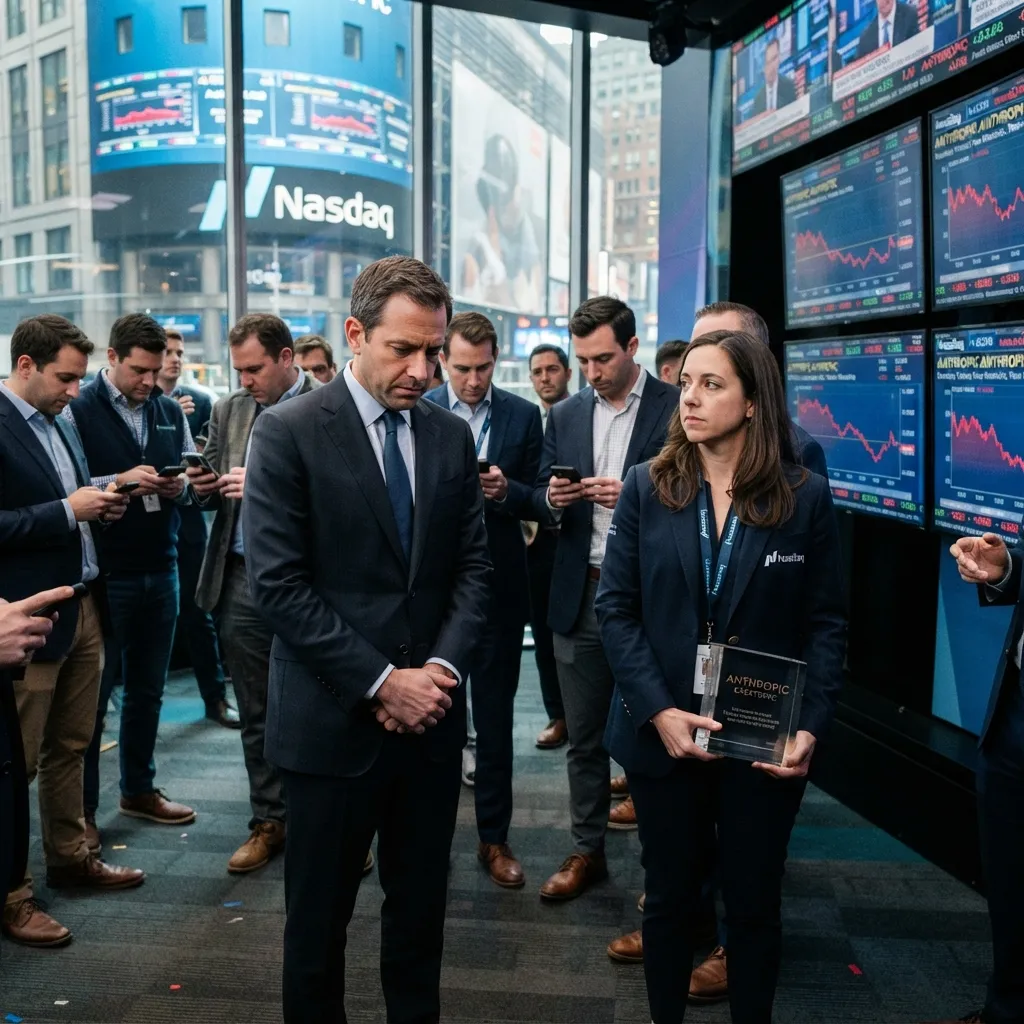
Anthropic recently staged what should have been a triumphant entry into the public markets, marking the largest initial public offering in United States history. On paper, the numbers were staggering, with the stock closing seventeen percent above its opening price and raising more than eighty one billion dollars. However, despite this massive influx of capital, the debut failed to ignite the spark of optimism Wall Street had hoped for. Instead of acting as a catalyst to revive the flagging artificial intelligence trade, the IPO took place against a backdrop of deepening skepticism and a broader market retreat that saw both the Nasdaq and S&P 500 slide.
The failure to lift the wider sector stems from a perfect storm of geopolitical tension and internal industry strife. While Anthropic soared, chipmakers like AMD faced sharp declines following allegations regarding illegal firmware sales to blacklisted firms. Simultaneously, revelations that thousands of restricted AI chips had already reached China fueled fears that Washington is preparing an even harsher crackdown on exports. These regulatory headwinds are colliding with a brutal price war between Anthropic and OpenAI, which has eroded sequential revenue growth and widened collective losses for the two frontier labs.
Market veterans suggest we are witnessing a fundamental psychological shift in how investors approach technology. For years, the prevailing strategy was to blindly buy any dip in AI stocks, expecting an inevitable recovery driven by hype. Now, however, analysts warn that this era of blind faith is ending. Even heavyweights like Nvidia have seen their dominance questioned as traders move away from broad bets toward more surgical strategies involving specific longs and shorts. In this climate, even a record breaking IPO cannot mask systemic concerns about profitability and global trade restrictions.
As the dust settles from Thursday’s turmoil, all eyes turn to early next week when options trading begins for Anthropic shares. This will serve as a critical litmus test for retail investor sentiment and provide a clearer signal on whether there is genuine conviction left in the AI boom or if the market is entering a prolonged period of correction. Until then, investors remain cautious, rotating away from heavily indebted cloud providers and hyperscalers while finding rare refuge in cybersecurity firms tasked with patching the very vulnerabilities that AI continues to expose.