
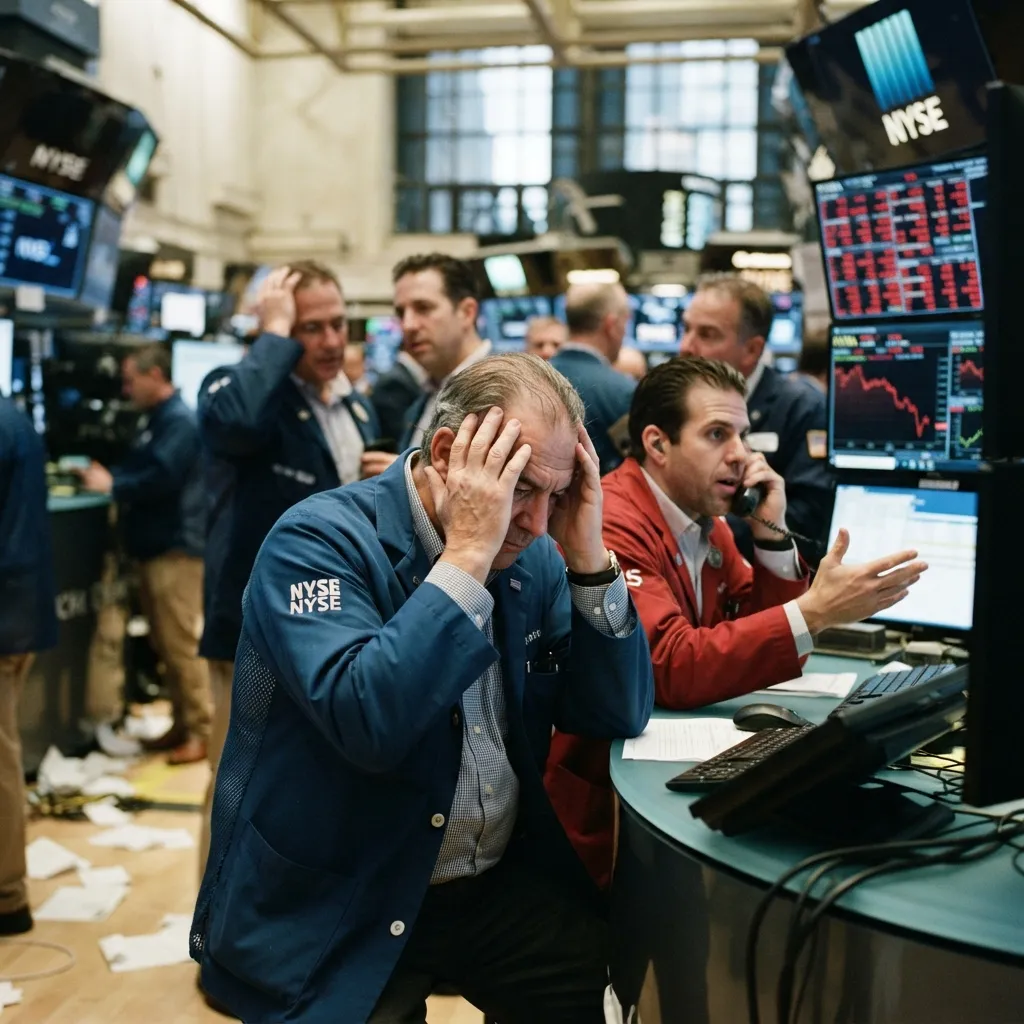
Wall Street is experiencing a moment of profound instability regarding Nvidia, as the chipmaking giant saw its shares plunge 14 percent on Friday. This latest drop marks seven consecutive days of losses and concludes a seven week downward slide, representing the firm’s longest weekly losing streak since the depths of the 2008 financial crisis. While the company once stood atop the mountain as the most valuable entity in the world, it has now slipped to fourth place behind Apple, Microsoft, and Alphabet, with its market capitalization shrinking by roughly 2.6 trillion dollars during this volatile period.
The current turmoil is largely centered on a leadership vacuum following the abrupt resignation of co founder Jensen Huang on November 12. New board chair Harvey Jones attributed Huang’s departure to personal behavior that violated company codes of conduct and cultural norms, amid reports involving several affairs. Adding fuel to the fire, Reuters recently reported that the Securities and Exchange Commission is investigating potential accounting irregularities within the company, leaving investors questioning whether the organization can maintain its dominance without its visionary leader.
However, the decline began well before the scandal broke. Investors have grown increasingly skeptical about the long term sustainability of the artificial intelligence boom and are weighing growing competition from rivals like Google and AMD. Even a strong earnings report failed to stop the bleeding; despite interim CEO Colette Kress projecting a massive 75 percent revenue growth for next fiscal year and insisting that customers remain loyal, shareholders continued to sell off their holdings.
The scale of Nvidia’s transformation makes this collapse particularly striking compared to its previous struggles in 2008. Back then, when it faced similar streaks of loss during a global economic meltdown, Nvidia was earning less than a billion dollars per quarter through gaming hardware. Today, it generates more than a billion dollars every single day through AI infrastructure. Now, those same investors are left wondering if a company so heavily tied to one man’s vision can survive his sudden exit from the stage.