
China’s economic struggle intensified in October as key indicators for industrial production, retail spending, and investment all fell short of expert predictions. New data reveals a troubling trend where consumer spending remains stagnant, hampered by a prolonged property market crisis that has chipped away at household wealth for half a decade. Retail sales grew by a meager 0.4 percent, failing to meet the expected 0.8 percent increase, while industrial output slowed significantly to 4.8 percent from a previous peak of 5.5 percent in September.
The most alarming figures emerged from fixed asset investments, which plummeted 8.1 percent over the first ten months of the year. This contraction represents a historic collapse unmatched since the pandemic era and far exceeded analyst fears of a 7 percent drop. These systemic pressures are filtering down into the workforce, leaving young people particularly vulnerable; unemployment for those aged 16 to 24 remained stubbornly high, hovering around 18 percent as of September.
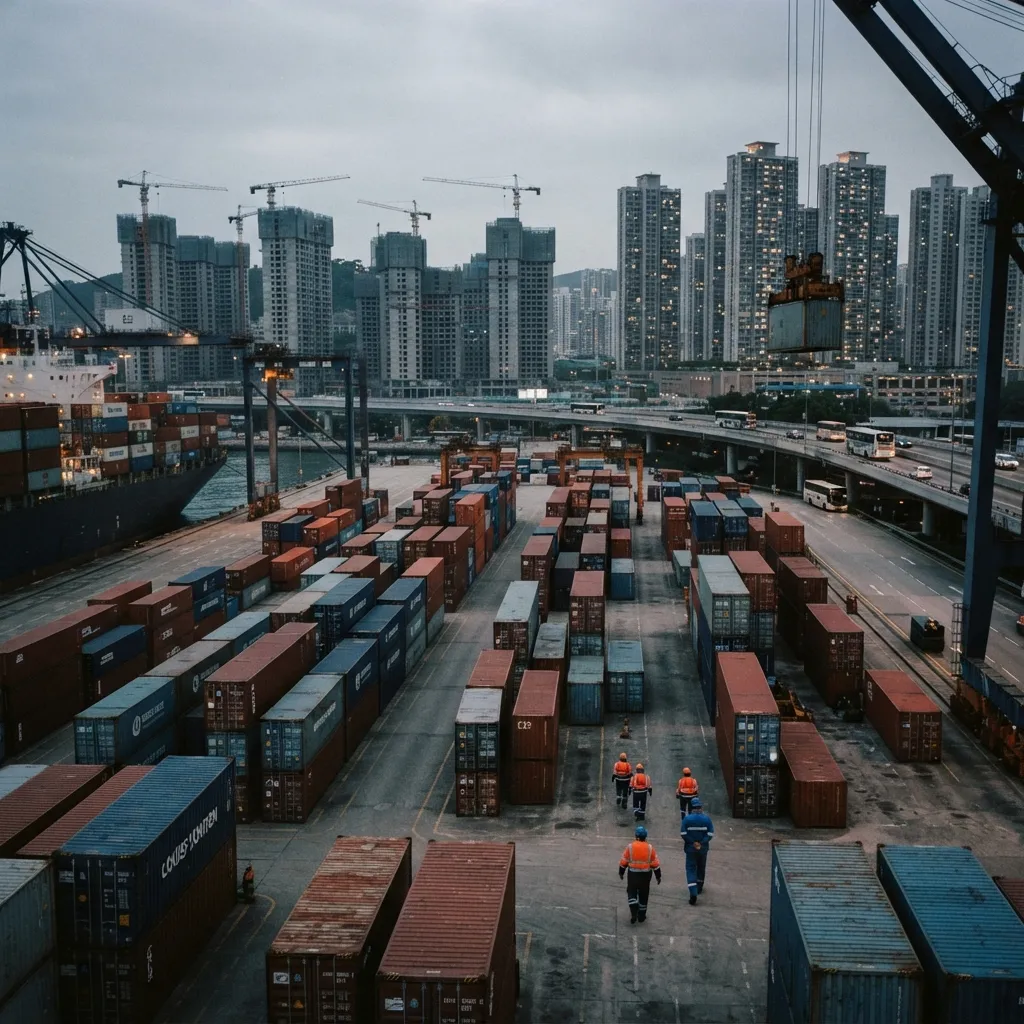
In stark contrast to the domestic gloom, China’s export machine continues to roar, surging by over 35 percent thanks to an insatiable global appetite for AI technology and equipment. While this has pushed the country toward a record trade surplus, economists warn that relying so heavily on foreign buyers creates a dangerous imbalance. By exporting its way through a domestic slowdown, Beijing has made itself more susceptible to international shocks and tightening trade restrictions from partners like the European Union.
Financial analysts suggest that while China may still hit long term income goals, the path forward is fraught with risk. A potential cooling of the AI investment cycle or new tariffs could suddenly stall the only engine currently keeping growth afloat. For now, the world’s second largest economy exists in a strange duality: dominating global markets with advanced tech while struggling to convince its own citizens to spend money at home.